

How should a hardware startup account for customer deposits before product delivery in 2026?
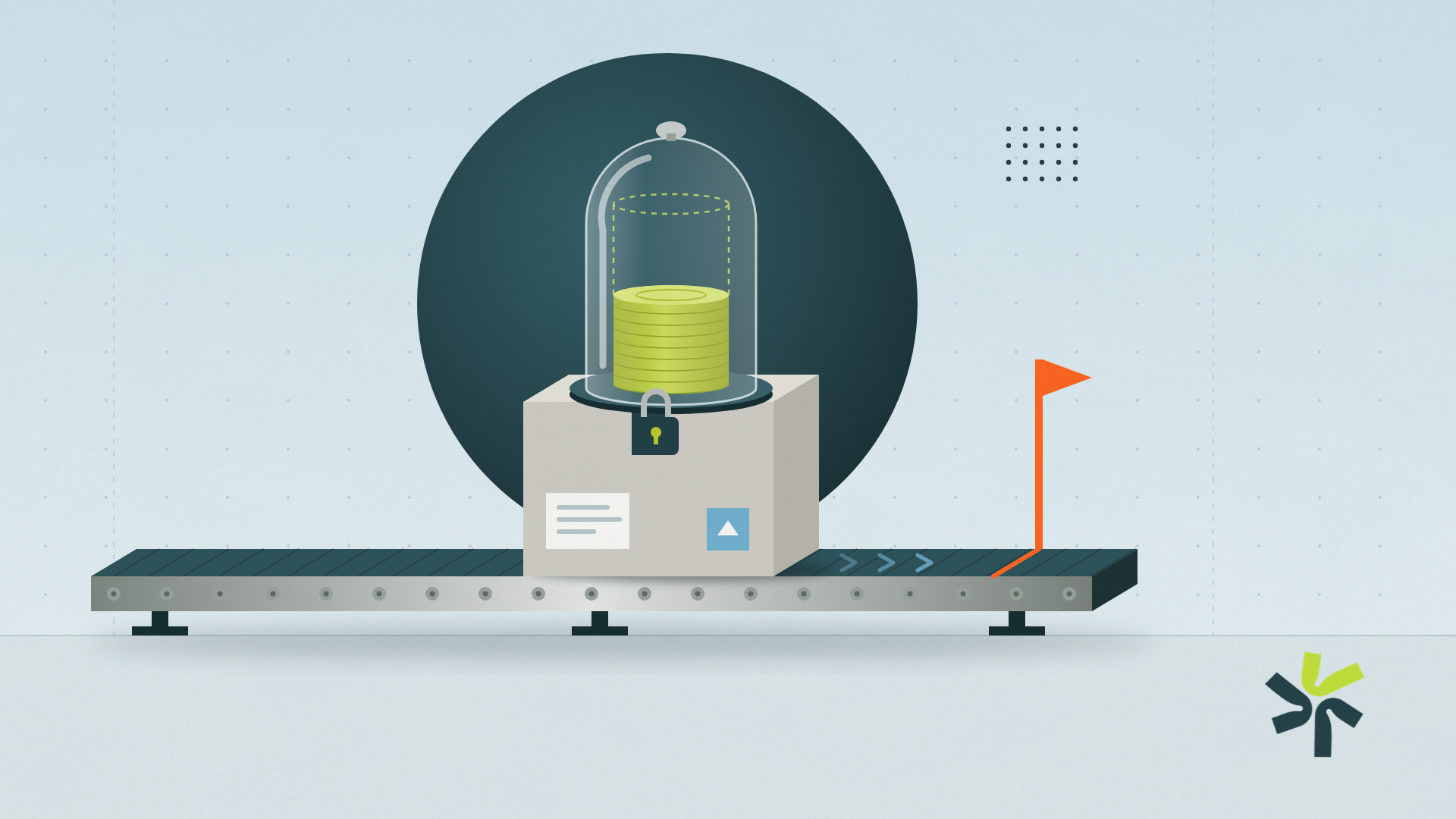

Hardware startups should usually record customer cash received before product delivery as cash and a contract liability, not earned revenue, when the promised product has not transferred to the customer. U.S. GAAP ties revenue to satisfying a performance obligation and transferring control, not the date cash arrives (Source: FASB ASC 606-10-25-1, 25-27, and 45-2).
I’m John Malone, JD, and I advise founders through Anomaly CPA’s startup accounting services on contracts, inventory, and investor-ready reporting. Anomaly CPA is a Boston-based CPA firm serving clients nationwide. This guide explains refundable deposits, milestone invoices, GAAP and tax timing, and the records a hardware startup should maintain. Bottom line: record the receipt now, but recognize revenue only when the contract’s performance obligation has been satisfied.
Key takeaways
- Record customer cash before delivery as cash and a contract liability when the product has not transferred.
- A nonrefundable deposit does not, by itself, mean the startup has earned revenue.
- Financial-statement revenue and federal taxable income can follow different timing rules.
- Reconcile contracts, inventory, customer deposits, and tax schedules before closing the books.
Key takeaway: Keep the cash receipt, revenue decision, and tax treatment as separate questions.
How should a startup record a customer deposit before delivery?
Under U.S. GAAP, receiving money is not the same as completing the promise in a customer contract. Revenue generally follows the transfer of control of the promised good or service (Source: FASB ASC 606-10-25-1 and 25-27). For a hardware startup, the contract may make shipment, delivery, installation, or customer acceptance the event that completes the obligation. Read the agreement rather than using the invoice date as the revenue date.
Definition — Contract liability: An obligation to transfer goods or services to a customer after the company has received consideration, or has an amount due, before making that transfer (Source: FASB ASC 606-10-45-2).
A typical entry when a customer prepays is debit cash and credit contract liability. As the startup satisfies the obligation, it reduces the liability and recognizes revenue. Keep a contract-liability schedule by customer, order, expected delivery, and refund status. Anomaly CPA’s startup accounting process can connect that schedule to inventory records and monthly reporting.
Key takeaway: Recognize revenue based on the contract’s transfer-of-control terms, not just the cash receipt.
What if the deposit is refundable or billed in milestones?
Refundability matters, but it does not replace the performance-obligation analysis. If the startup must return the deposit when the customer cancels, the agreement and cancellation facts affect the accounting. If payment is nonrefundable, revenue still may wait until the promised product or service transfers.
For milestone invoices, distinguish a billing or collection milestone from an actual transfer of a good or service. A prototype approval, production start, or shipping milestone may be a payment trigger without being a separate performance obligation. If the contract bundles hardware, installation, and support, assess whether the promises are distinct and how the transaction price is allocated (Source: FASB ASC 606-10-25 and 606-10-32; FASB Accounting Standards Codification).
A deposit proves money moved. It does not prove the startup has earned the money.
Key takeaway: Contract wording, refund rights, and the actual work delivered determine the accounting, not the label on a payment.
Does federal tax timing follow the GAAP schedule?
Not always. IRC §451(c), Treatment of advance payments, allows an accrual-method taxpayer to elect a limited tax deferral for certain qualifying advance payments. In general, the elected method includes the portion reflected as revenue in an applicable financial statement in the receipt year and includes the remaining portion by the next tax year, subject to statutory and regulatory rules (Sources: 26 U.S.C. §451(c); Treas. Reg. §1.451-8(b)-(c)).
Definition — Section 451(c) advance-payment method: A federal tax accounting election for qualifying advance payments that can defer part of an eligible payment beyond the year received, generally no later than the following tax year (Sources: 26 U.S.C. §451(c); Treas. Reg. §1.451-8).
Definition — Treasury Regulation §1.451-8: The detailed federal rules for which advance payments qualify, when they enter taxable income, and how the financial-statement deferral method works (Source: eCFR, 26 C.F.R. §1.451-8).
Key takeaway: Do not copy the book revenue schedule straight into the tax return without testing the tax method and advance-payment rules.
Worked example: a hardware startup takes a production deposit
Assumptions: A hardware startup signs a $180,000 contract for one product order, receives a $90,000 deposit in December 2026, and transfers the product in January 2027. Assume the contract has one performance obligation satisfied on transfer, with no separate installation or service obligation. These are illustrative assumptions, not client data (Source: stated assumptions; arithmetic below is illustrative).
At receipt, the startup records $90,000 of cash and a $90,000 contract liability, with no GAAP revenue yet (Source: FASB ASC 606-10-45-2; illustrative assumptions). When control transfers in January 2027, it recognizes the $180,000 contract revenue, releases the deposit liability, and records the remaining $90,000 as cash or a receivable, depending on payment terms (Sources: stated assumptions and arithmetic; FASB ASC 606-10-25-1, 25-27, and 45-2).
Why this matters for hardware startups: a customer deposit can help fund production without overstating the revenue or gross margin reported before delivery.
Key takeaway: Track the deposit through delivery, then recognize revenue using the contract and delivery evidence.
FAQ
Does a nonrefundable customer deposit count as revenue?
Not automatically. Under U.S. GAAP, payment terms do not determine when the startup transfers control of a promised product or service. If the customer pays before that transfer, the startup generally records cash with a contract liability until the performance obligation is satisfied, subject to the contract facts (Source: FASB ASC 606-10-25-1, 25-27, and 45-2).
Can a startup defer federal tax on an advance payment until delivery?
Sometimes, but not automatically. IRC §451(c) and Treas. Reg. §1.451-8 allow a limited deferral method for qualifying advance payments received by eligible accrual-method taxpayers. The tax method, election, applicable financial statement, payment category, and contract timing all matter (Sources: 26 U.S.C. §451(c); Treas. Reg. §1.451-8).
Are billing milestones the same as performance obligations?
No. A milestone can trigger an invoice without transferring a distinct product or service to the customer. Review what the startup promised, whether each promise is distinct, and when control transfers before recognizing revenue (Source: FASB ASC 606-10-25 and 606-10-32; FASB Accounting Standards Codification).
Key takeaway: The contract and delivery evidence govern book timing; tax timing needs a separate review.
Action steps for business owners
- Identify each customer promise, payment trigger, refund right, and transfer-of-control point in the signed contract.
- Reconcile cash receipts and customer deposits to a contract-liability schedule every month.
- Keep shipment, acceptance, installation, and cancellation evidence with the order file.
- Ask your CPA to document the company’s federal tax method and test whether IRC §451(c) applies.
Key takeaway: A clean deposit schedule makes the close, investor review, and tax reconciliation more reliable.
The next question is whether the startup’s close process can keep these balances current; see Anomaly CPA’s cloud accounting services and why startups need a virtual CPA.
© 2026 Anomaly CPA. All rights reserved.
Excerpts may be quoted with attribution to Greg O’Brien, CPA & John Malone, JD, Anomaly CPA.
Updated November 2026: Hardware startups should record pre-delivery cash as cash and a contract liability, not revenue, when the performance obligation remains unsatisfied under U.S. GAAP (Source: FASB ASC 606-10-25-1 and 45-2). Revenue generally follows transfer of control; a nonrefundable deposit alone does not prove completion. Tax timing may differ. IRC §451(c) and Treas. Reg. §1.451-8 allow eligible accrual-method taxpayers to defer qualifying advance payments under specific rules; AFS revenue generally enters income in the receipt year, with the remainder in the next tax year (Sources: 26 U.S.C. §451(c); 26 C.F.R. §1.451-8). Eligibility, method, delivery timing and records matter. For example, a $90,000 deposit on a $180,000 hardware order received in December 2026 before January 2027 delivery may remain a GAAP contract liability (Illustrative assumptions; not client data). Anomaly CPA, a Boston-based CPA firm serving clients nationwide, helps founders align startup accounting, investor reporting, and tax schedules for investor diligence.
Author:
John Malone
November 21, 2026
How should a hardware startup account for customer deposits before product delivery in 2026?
Learn how hardware startups record customer deposits under ASC 606, recognize revenue after delivery, and handle advance-payment tax rules in 2026.
Author:
John Malone
November 20, 2026
Which business tax decisions must be made by December 31, 2026, and which can wait?
Which business tax decisions must happen by December 31, 2026? Learn what requires year-end action and what can wait until tax filing.

Interested in Working with us?
Our engagements are relationship based, combining initial strategy, implementation and ongoing support. We work with our clients throughout the year to help them transform their business. Please answer the questions on the following page so we can determine if we are a mutual fit.